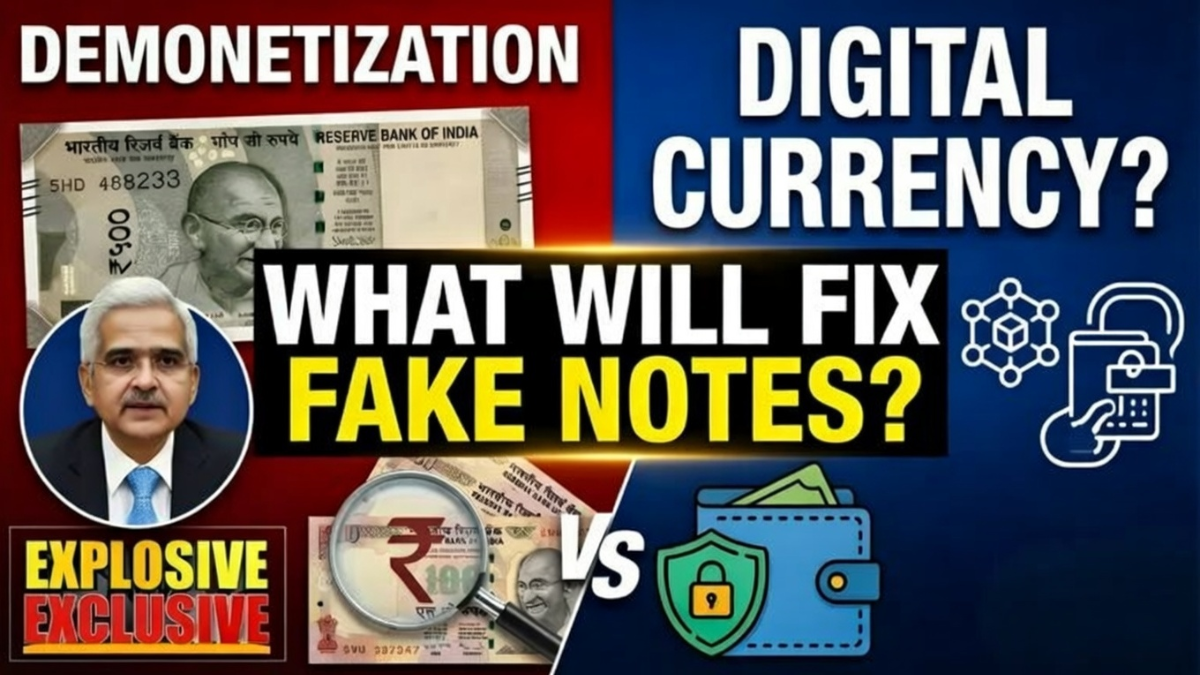
The ₹500 currency note has once again become the center of nationwide discussion in 2026, triggering confusion, panic messages, and viral social media claims. Messages circulating on WhatsApp, Facebook, and short video platforms suggest that ₹500 notes may soon be banned or demonetized, causing many people to rush to banks and shops seeking clarification. With memories of the 2016 demonetization still fresh, the controversy has raised serious concerns among the public. This article clearly explains whether the ₹500 note controversy in 2026 is fake news or a real demonetization update, based on official facts and current policy direction of the Reserve Bank of India.
Why the ₹500 Note Controversy Started in 2026
The controversy largely began due to misinterpreted statements, outdated news clips, and misleading posts claiming that the government plans to withdraw ₹500 notes as part of a new currency reform. Some posts falsely linked routine RBI currency management activities to demonetization, while others used edited videos and screenshots to spread fear.
Adding to the confusion, occasional RBI advisories about fake currency detection and clean note policy were wrongly projected as signals of an upcoming ban. This mix of half information and viral forwarding created unnecessary panic among citizens.
Is There Any Official Announcement on ₹500 Note Demonetization
As of now, there is no official announcement confirming demonetization or withdrawal of ₹500 notes. Neither the RBI nor the central government has issued any notification stating that ₹500 notes will stop being legal tender in 2026.
Demonetization is a major economic decision that requires formal notification, clear timelines, and nationwide coordination. Such a step cannot happen silently or through unofficial messages. In the absence of any gazette notification or RBI circular, claims about demonetization remain unverified and misleading.
What RBI Has Actually Said About ₹500 Notes
The RBI regularly conducts currency management operations such as printing new notes, withdrawing damaged currency, and improving security features. These are normal processes to maintain a healthy cash circulation system.
Occasionally, RBI also issues alerts about fake notes in circulation and advises banks and citizens to remain vigilant. These advisories are preventive in nature and should not be confused with demonetization or currency withdrawal policies.
Difference Between Demonetization and Routine Currency Replacement
Many people confuse demonetization with routine note replacement. Demonetization means a currency note loses its legal tender status completely. In contrast, routine replacement involves removing old or damaged notes and issuing fresh ones while keeping the denomination valid.
In 2026, the ₹500 note continues to remain a valid legal tender, and there is no indication of it being phased out. Routine banking advisories do not change the legal status of currency.
Impact of Fake News on the Public
Fake news around ₹500 notes has caused unnecessary stress, especially among senior citizens, rural populations, and small traders who rely heavily on cash transactions. Panic withdrawals, rushed spending, and fear driven decisions can disrupt normal financial behavior.
Such misinformation also puts pressure on banks and customer service channels, diverting attention from genuine banking needs. Authorities have repeatedly urged citizens to rely only on official sources for currency related information.
How to Identify Fake Currency Related News
To avoid falling for fake news, people should always check whether the information comes from an official RBI or government announcement. Messages that lack dates, official references, or use alarming language should be treated with caution.
Verified news is usually published through formal press releases, RBI notifications, or official government platforms. Forwarded messages and viral videos without credible sources are often misleading.
Will the ₹500 Note Be Phased Out in the Future
There is currently no confirmed plan to phase out the ₹500 note. Currency policy decisions depend on multiple factors such as economic conditions, inflation control, cash demand, and digital payment penetration.
Any future changes, if at all considered, would be communicated well in advance with clear instructions to the public. Sudden or secret demonetization is neither practical nor legally feasible under current systems.
What Citizens Should Do Right Now
Citizens should continue using ₹500 notes as usual without fear. There is no requirement to deposit or exchange these notes unless they are damaged or unfit for circulation. Staying calm and avoiding rumor based actions is crucial.
If in doubt, people can contact their bank branch or refer to official RBI communications. Sharing unverified messages should be avoided to prevent further spread of misinformation.
Conclusion
The ₹500 Note Controversy 2026 is largely driven by fake news and misinformation rather than any real demonetization update. As of now, ₹500 notes remain fully valid legal tender, and there is no official decision to withdraw them. Understanding the difference between rumors and verified policy announcements is essential to avoid panic and financial disruption. Citizens are advised to trust only official sources and not viral forwards when it comes to critical matters like currency validity.
Disclaimer: This article is based on publicly available information and official clarifications. Currency policies are subject to change through formal government or RBI notifications only.